


Selling Your Coastal Home in the Social Media Age
There was a time not all that long ago when selling a home relied on a familiar formula: a smartly planted For Sale board, a neatly printed brochure, and a listing quietly waiting on Rightmove. For coastal homes especially, the setting often did much of the work.
But the tide has turned.
Today’s buyers aren’t just searching they’re scrolling. And in a world of reel-chasers and double-tappers, your coastal home may need more than a listing; it may need a moment.
Living Online
It’s widely accepted that over 90% of buyers begin their property search online. But what’s changed particularly in the post-pandemic landscape is where and how that discovery happens.
Social media has moved from optional extra to essential tool. By 2023, nearly 79% of UK estate agents were already using social platforms to market homes, and that number has only continued to grow.
The result? A more visual, more immediate, and more emotionally driven property market.
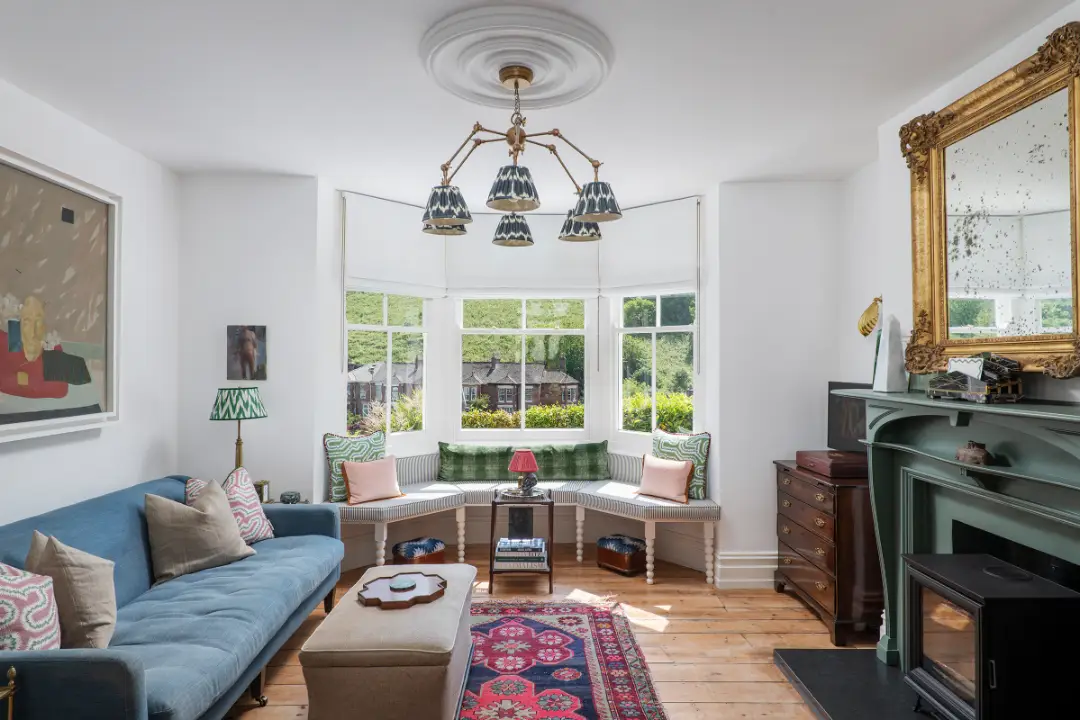
From Shop Window to Storytelling
If traditional portals are the shop window, social media is something far more personal.
It’s the whisper between friends. The shared post in a local group. The fleeting but powerful moment when someone pauses mid-scroll and thinks, I could live there.
For coastal homes where lifestyle is everything this matters enormously.
A well-shot video of morning light spilling across a sea-facing kitchen, or a garden catching the last of the evening sun, does more than inform. It invites.
Choosing the Right Platforms
Not all platforms work in the same way, and a thoughtful strategy makes all the difference.
Instagram is where aspiration lives. It’s the golden-hour terrace, the linen-draped bedroom, the dog curled by the window overlooking the shore. It’s where buyers begin to feel something long before they enquire.
Facebook, meanwhile, remains unmatched for local reach. Community groups, village pages, and neighbourhood networks can quietly amplify your listing to exactly the right audience often those already emotionally invested in the area.
And then there’s YouTube and longer-form video bridging generations, offering depth, and allowing buyers to explore a home at their own pace.
The takeaway is simple: relying on a single platform is no longer enough. A multi-channel approach ensures your home isn’t invisible to entire segments of the market.

What You Can Do as a Seller
While your agent should lead the charge, there’s still value in your involvement.
A simple share of your agent’s post can double its reach. Tagging your local area or even favourite nearby spots can help your home surface in front of those already connected to the community.
If you’re comfortable, posting in local Facebook groups can also generate interest but always with care and consideration.
Lifestyle sells. Emotion converts.

Is Your Agent Keeping Up?
Perhaps the most important question to ask is whether your agent is truly embracing this shift.
Are they creating video content, or simply reposting static images? Are they engaging with comments, using location tags, and crafting posts with personality or copying and pasting from a listing description?
In today’s market, visibility isn’t just about being seen it’s about being remembered.
A socially savvy agent understands that each post is an opportunity to tell a story, build trust, and create momentum before a buyer even steps through the door.

Leaving a Lasting Impression
Selling a coastal home has always been about more than bricks and mortar. It’s about light, air, rhythm, and the quiet promise of a different way of living.
Social media, at its best, captures that essence.
Think of it as the modern equivalent of lighting the fire before a viewing or setting the table just so it helps your home shine, linger, and connect.
Because in a market shaped by scrolling and storytelling, the right buyer isn’t just looking.
They’re waiting to feel something.